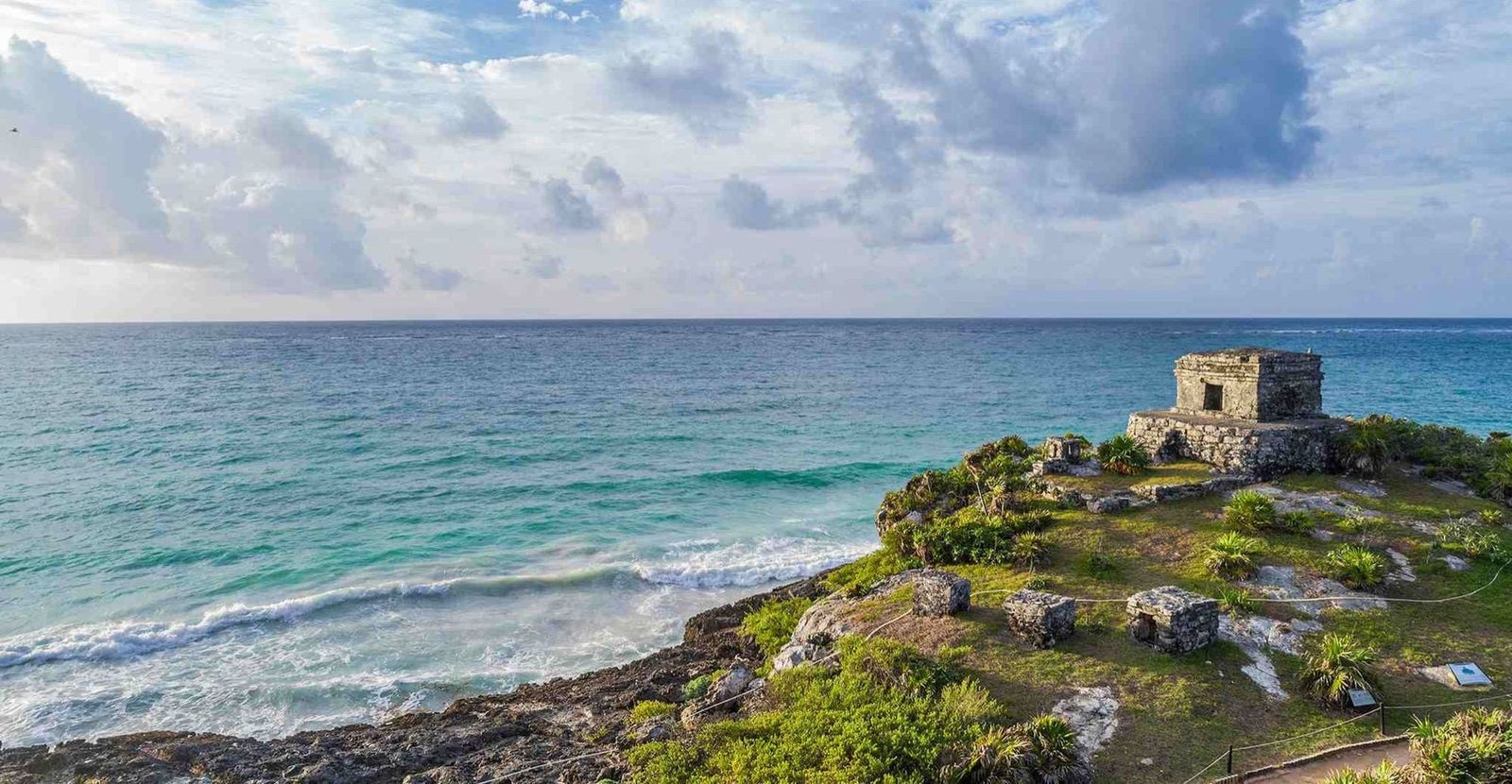
What to do in Tulum and how to plan your trip
The only Maya city built on the sea, a beach road of hotels with no street lighting, and the biggest cenote system in the country underneath. Tulum is two places sharing a name — this is how to tell them apart before you book.
- 2transport zones
- 588hotels
- 5tours & activities
- 16 kmof beach, to Sian Ka’an
- 28 °Caverage, all year
- UTC−5no daylight saving

Everything you need to know about Tulum
The tourist board splits Tulum into three, and that is the clearest way to understand it: the **archaeological zone**, the only walled Maya city built facing the sea; **El Pueblo**, the town inland where the supermarket, the coach station and the affordable rooms are; and the **hotel zone**, sixteen kilometres of white sand running south to the Sian Ka’an Biosphere Reserve, with boutique hotels and glamping hidden behind the palms. Underneath all three is a limestone shelf holding the longest flooded cave systems on earth. Knowing which of the three you are booking is the single most important thing here.

Getting to Tulum
- Cancun Airport (CUN)The airport nearly everyone uses: about two hours south on Highway 307, with the widest choice of international flights on the coast.
- Tulum Airport (TQO)Opened in 2023, twenty kilometres from town. Mostly domestic routes with a handful of US connections, so check the timetable before choosing it.
- Maya TrainThe Tulum station sits beside the new airport and links the town with Playa del Carmen, Valladolid and Merida.
Beyond the beach
The three things people come back for, and none of them is the beach club.


Good to know
- LanguageSpanish, with English everywhere on the beach road and less of it in town.
- CurrencyMexican peso (MXN). The beach road quotes in dollars and charges a premium for paying in them.
- Time zoneUTC−5 all year. No daylight saving.
- Power127 V, 60 Hz, flat two-pin US-style plugs; bring an adapter from the UK. Many beach hotels run on generators or solar.
- WaterBottled water. Cenote water is fresh but not drinking water.
- Emergencies911 nationwide. Mobile signal on the beach road is patchy in both directions.
Transfers from the airport to every zone of Tulum are a fixed price per vehicle, with the driver waiting at the exit. See availability.
What to see and do in Tulum
The full list, not a top three: what the destination’s tourist board puts first.
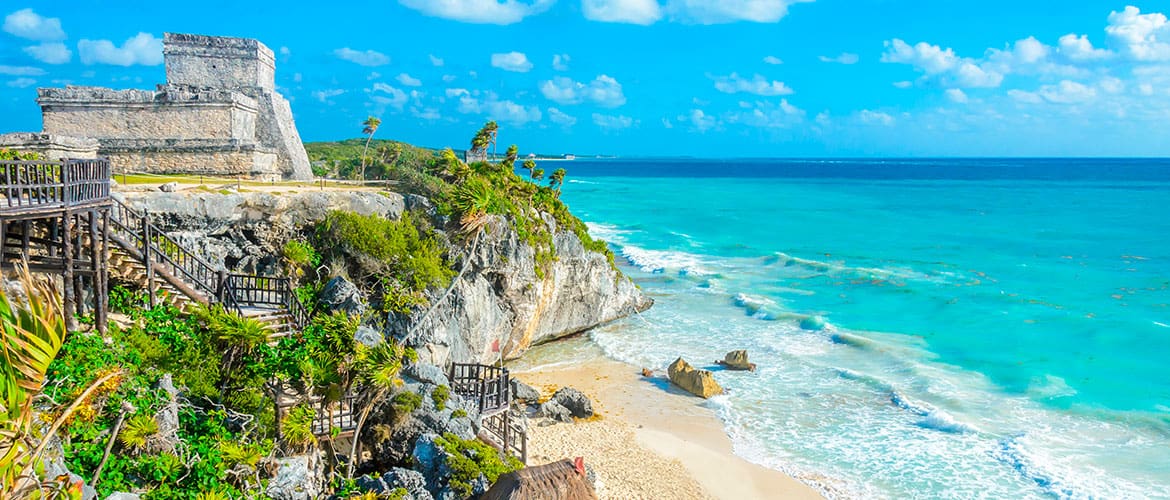
The only walled Maya city built facing the sea, on a bluff with a small beach below it you can swim from. Open from eight, and the shade runs out early.
Two connected sinkholes with a cave between them, five minutes towards Coba. Turtles, a boardwalk and the easiest cenote to reach from town.
Part of the longest flooded cave system on earth. Two enormous open pools, cavern lines for snorkellers and full cave diving for the certified.
The two on the Coba road: one you jump into through a hole in the rock, the other a shallow lagoon with water lilies and a resident crocodile.
A UNESCO reserve of mangrove, lagoon and empty beach starting where the hotel road ends. Boat trips float you down a Maya canal.
A Maya city still inside the jungle, forty-five minutes inland, with causeways running between the groups and a lake at its edge.
The town two kilometres inland, where the supermarket, the coach station, the affordable rooms and most of the good cheap food are.
Sixteen kilometres of beach road running south to the reserve, with boutique hotels and glamping behind the palms, on generator power and well water.
The public beaches below the ruins, and the easiest sand to reach without paying a beach club.
A shallow turquoise lagoon with a deep blue cenote at its centre, ten minutes south of town and far quieter than the cenotes on the Coba road.
What the tourist board leads with after the ruins: the beach road has become one of the more ambitious places to eat on the whole coast.
Beaches of Tulum
Sixteen kilometres of white sand from the ruins down to the Sian Ka’an reserve, and what each stretch is for.
Directly below the archaeological site. Small, spectacular and only reachable with a site ticket.
The postcard: palms, white sand and the ruins on the headland. Free access, beach club at one end.
Wide and public, with parking and almost no shade. The easiest beach to reach without a hotel.
Where the fishing boats still land, at the north end of the hotel road. Calm and shallow.
Past the reserve gate, the sand turns wild and the hotels thin out. Bring everything with you.
Tours and activities in Tulum
Pick-up from your hotel, and each tour’s cancellation policy is shown before you pay.
 Culture & archaeology
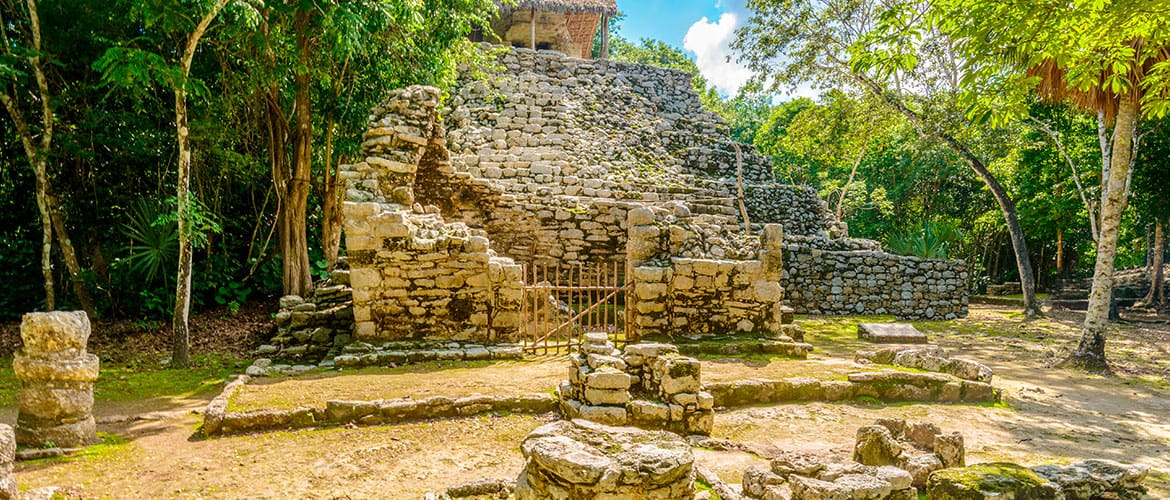
Private Coba & Mayan Cenote Tour
 Culture & archaeology
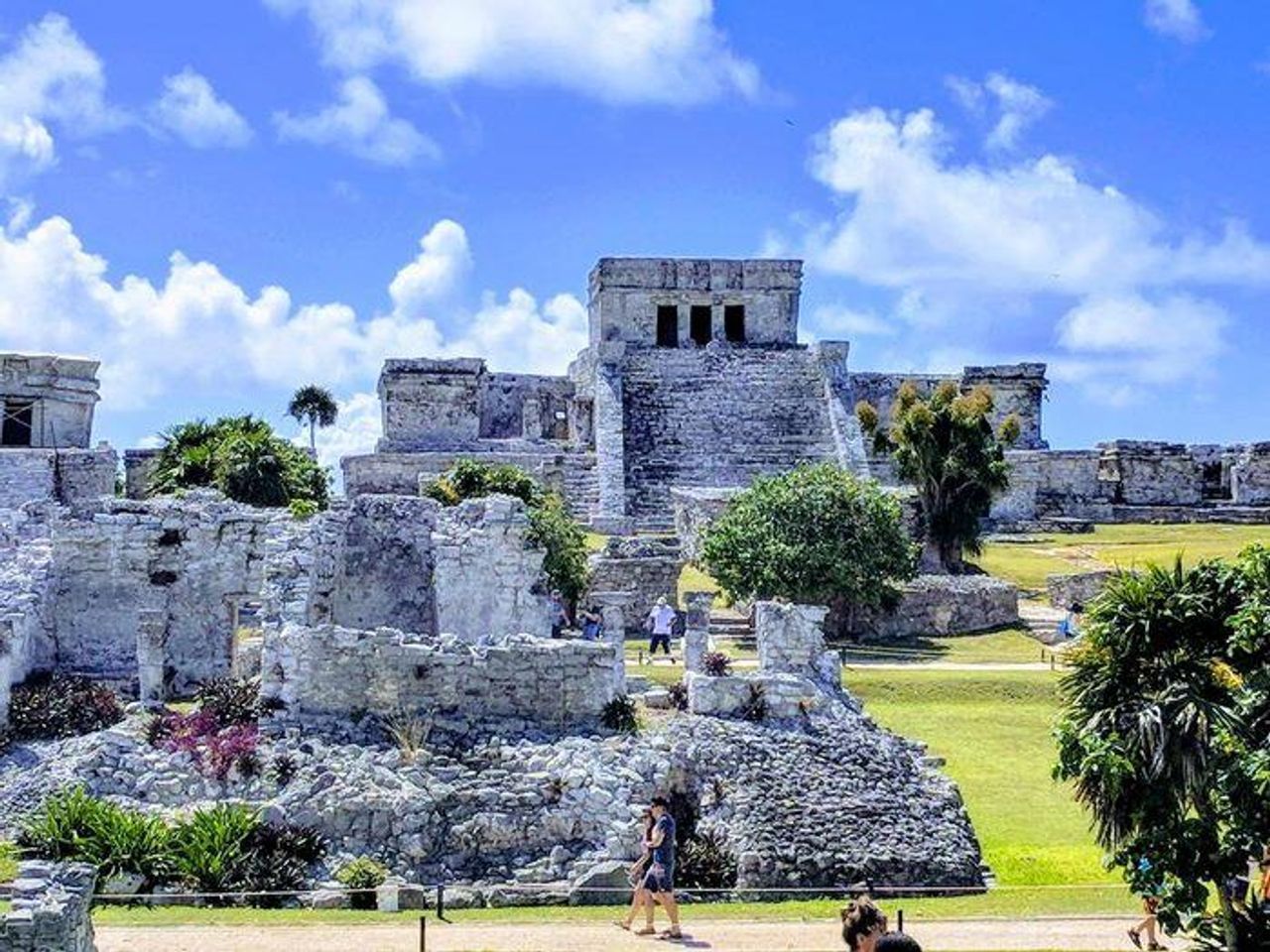
Tulum & Xel-Há Tour
 Culture & archaeology
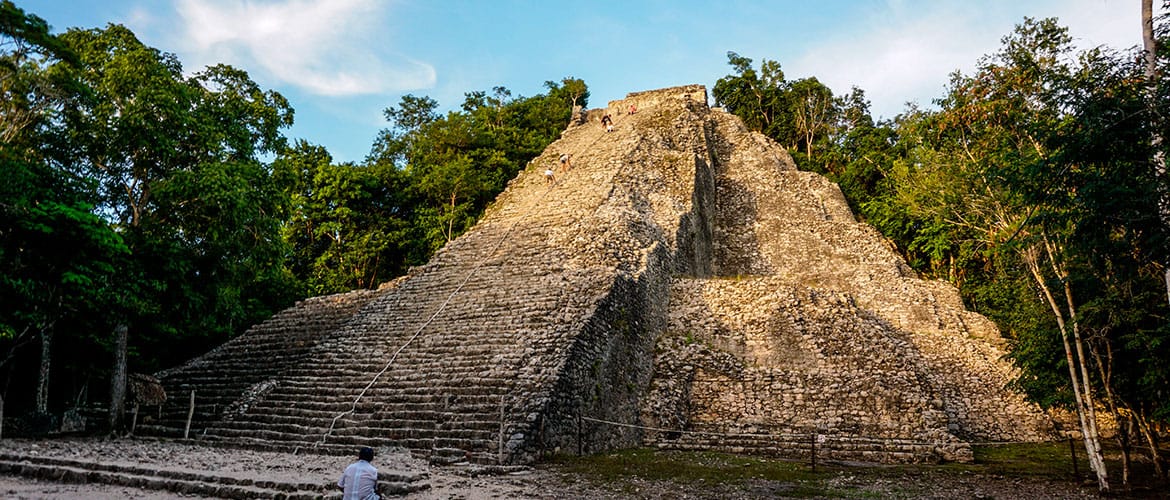
Private Tulum & Coba Tour
 Culture & archaeology
Private Tulum Tour
When to visit Tulum
Four seasons for one destination. Choose yours by weather, crowds and price.
Dry, 24 to 29 °C, and the busiest and most expensive stretch of the year. Book the beach road months ahead for Christmas and New Year.
Hot, humid and the start of sargassum on the open beaches. Cenote season, because the caves stay at 25 °C all year.
Warm sea, short afternoon storms and a full town. Rates drop from the winter peak but not by much.
The quietest and cheapest. Some beach hotels close for maintenance; September and October are the storm-watch months.
Getting around Tulum
What each option costs and when it makes sense.
The standard way to get along the beach road, which is flat, ten kilometres long and has no pavement. Nearly every hotel hires them out.
Fixed zone fares with no meter, and expensive for the distance — town to the beach road is a short journey at a tourist price. Agree it first.
Cheap shared vans up the main road to Playa del Carmen and Cancun, leaving from the town centre. Cash, no room for luggage.
Airport, cenotes, ruins or Chichen Itza, at a fixed price per vehicle with a driver who waits and knows the beach road in the dark.
Areas of Tulum we serve
The town and the beach road are two different zones with two different prices. 2 of them, each with its hotels and times.


Tulum Hotel Zone
Tulum- Saloon $160
- SUV $319
- Group van $350
Tulum Centro
Riviera Maya · 120 km- Saloon $140
- SUV $287
- Group van $300
Hotels in Tulum we pick up from
Fixed price to every hotel in the zone. If yours isn’t here, type it in the search box.
Tulum
Cancun · 398 hotels- Free cancellation with Premium
- Flight monitoring
- Meet & greet
Tips from our local team in Tulum
What travellers ask us most, answered by the people who live here.
The beach road has no street lighting
It is deliberate — a dark-sky rule protects turtle nesting. Cycling back after dinner without a light is the most common accident here. Take a torch.
Town and beach are not the same price
A hotel in town costs a fraction of one on the beach road, and the two are four kilometres apart. Check the address before you book, not the name.
Go to the ruins at opening time
They open at eight and the day-trip coaches from Cancun arrive around eleven. There is no shade on the site and the cliff is exposed.
Card machines fail on the beach road
Signal is weak and many places are off-grid. Carry pesos for taxis, cenotes and anything outside the hotel.
Cenotes beat the beach in sargassum season
From May to September the open beaches catch weed. The cenotes are twenty minutes away, always clear and always 25 °C.
Sian Ka’an needs a guide and a boat
The reserve starts where the hotel road ends. It is not a drive-through — trips leave from Muyil, and the road to Punta Allen is rough.
Tulum travel guides
Practical, written by the team that drives the area every day.
Getting around Tulum without losing the week to taxis
Tulum has no bus along the beach road, no metered taxis and eight kilometers between the town where the cheap food is and the strip where most people sl…
3 read
Tulum: the town and the beach road are two different holidays
Nothing about Tulum makes sense until you separate the two halves. There is the town, on the highway, where people live and where you can eat well for a…
4 readGetting to Tulum from the airport
Fixed price per vehicle to every zone, driver at the exit with a name board. Full details on the airport page.
Transfer prices per zone in Tulum
| Transport zone | Journey time | Passenger van8 8 | Airport taxi3 3 | Luxury SUV5 5 | Group van15 15 | See availability |
|---|---|---|---|---|---|---|
| Tulum Hotel Zone | 2 h 43 min | $140 | $160 | $319 | $350 | See availability |
| Tulum Centro | 1 h 35 min | $125 | $140 | $287 | $300 | See availability |
One way in USD per vehicle, taxes, tolls and luggage included. Return is the total for both legs. Journey times are estimates without traffic, worked out from distance and speed limits; those marked ≈ are approximate.
The prices shown are the Economy fare. Many services also have a Premium fare in the same private vehicle, with free cancellation up to 24 hours before and free changes up to 12 hours before; Economy includes one change with 24 hours’ notice. You choose between them when you see availability.