What to do in Holbox and how to plan your trip
Holbox is about 145 kilometres from Cancun Airport, but you can’t drive there: the transfer ends at the ferry pier in Chiquila, and from there it is about 25 minutes by boat. The island has no tarmac roads; people get around on foot, by bike and by golf buggy.
- 1transport zone
- 145 kmairport to Chiquila
- 25 minby ferry
- UTC−5no daylight saving
Everything you need to know about Holbox
Holbox is a strip of sand about 40 kilometres long and two wide between the Gulf of Mexico and the Yalahau lagoon, in the municipality of Lazaro Cardenas. The whole island sits inside the Yum Balam Flora and Fauna Protection Area, decreed in 1994, and that explains almost everything that makes it different: sand streets with no tarmac, hardly any cars, flamingos on the sandbars at Punta Mosquito and, between May and September, whale sharks in the open sea. The town, with fewer than two thousand residents, is on the north side, facing the beach. Getting there takes half a day from the plane, and it is worth planning it that way.

Getting to Holbox
- Cancun Airport (CUN)The closest airport with international flights. It is about 145 kilometres by road to Chiquila, the ferry town, and that is where the transfer drops you.
- Ferry from ChiquilaTwo companies, Holbox Express and 9 Hermanos, alternate departures: between them a boat leaves roughly every thirty minutes. The crossing takes about 25 minutes, and the last Holbox Express departure is at 21:30.
- No cars on the islandCars stay on the mainland; Chiquila has car parks by the day. On Holbox the streets are sand and the taxi is a golf buggy.
Good to know
- LanguageSpanish, with English in hotels, restaurants and tour agencies.
- CurrencyMexican peso (MXN). Bring cash from Cancun: there are very few cash machines, they sometimes run out of money, and many businesses don’t take cards.
- Time zoneUTC−5 all year, the same as Cancun.
- Power127 V, 60 Hz, flat two-pin US-style plugs. Bring an adapter from the UK.
- WaterDrink bottled water.
- Emergencies911 nationwide.
Transfers from the airport to every zone of Holbox are a fixed price per vehicle, with the driver waiting at the exit. See availability.
Things to see and do on Holbox
Nearly all of it is inside the Yum Balam reserve, and you see it on foot, by bike or by boat.
The east end of the island, reached on foot along the beach. At low tide, sandbars form with shallow water; the point itself is a protected area and off limits, but you can see the flamingos from the sandbars.
An islet in the Yalahau lagoon where pelicans, cormorants, herons and, depending on the season, flamingos nest. Boats don’t land: you watch from wooden platforms.
An open freshwater spring, shallow and clear, fed from underground. It is the freshwater stop on the three-island tour and charges its own entry fee.
A sandy islet about ten minutes by boat from Holbox. It is the third stop on the classic tour, along with Isla Pajaros and Cenote Yalahau.
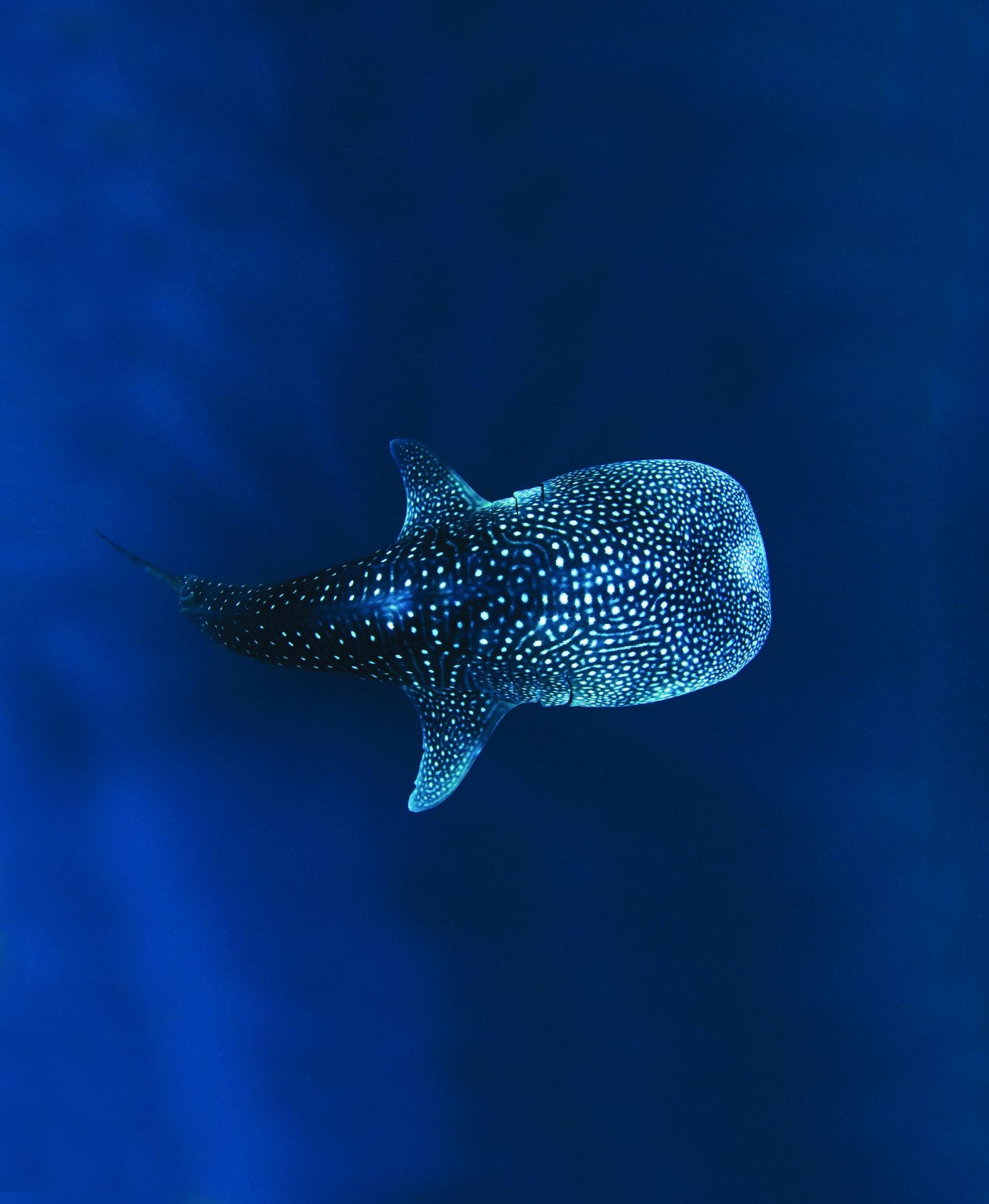
Between May and September, on dates CONANP sets each year, boats head out to the open sea to swim with them. It happens inside a biosphere reserve and only with licensed operators.
The west end and the sunset spot. On moonless nights, especially from May to October, you can see bioluminescence in the water at the shoreline.
The north-eastern tip of the Yucatan Peninsula, where the Gulf of Mexico meets the Caribbean Sea. You visit it by boat from Holbox.
Sand streets between the pier and the beach, with the main square and nearly all of the island’s restaurants and places to stay. You get around it on foot.
Beaches of Holbox
The town beach and the two points, one at each end of the island.
On the north side, in front of the hotels: white sand, shallow calm water, and walkable from anywhere in town.
To the east: sandbars that appear at low tide, knee-deep water and flamingos in the distance. The point is a protected area.
To the west: the sunset beach, and at night the place for bioluminescence when there is no moon.
When to visit Holbox
Four seasons for one destination. Choose yours by weather, crowds and price.
The dry season and the busiest. From November to February the nortes blow in, cold fronts that churn up the sea; ferry timetables can change in bad weather.
Hot with calm seas. May and June are the months with the most flamingos at Punta Mosquito, and whale shark season opens in this stretch.
Peak whale shark season, from mid-July to mid-August, and the best nights for bioluminescence at Punta Cocos.
Whale shark season closes in mid-September. It is the quietest time of year and the middle of hurricane season, which runs from June to November.
Getting around Holbox
What each option costs and when it makes sense.
The town, the pier and the north-side beach are all walkable, and a bike is the usual way to go further along the sand streets.
They wait at the ferry exit and they are the island’s taxis. Cash is best.
Holbox Express and 9 Hermanos alternate departures from Chiquila, roughly every thirty minutes between them. The last Holbox Express boat leaves at 21:30.
From the airport to the pier at a fixed price per vehicle. On the way back, we pick you up at the same pier when you step off the ferry.
How we get you to Holbox
The transfer ends at the Chiquila ferry pier on the mainland. Our vehicle doesn’t cross: from there you continue by ferry.


Tips from our local team in Holbox
What travellers ask us most, answered by the people who live here.
We drive you to the pier, not the island
The transfer ends in Chiquila. You buy the ferry ticket there and pay for it separately; the crossing takes about 25 minutes. With luggage, that is the whole plan.
Plan around the last boat
The last Holbox Express departure from Chiquila is at 21:30. If you land late, add customs and the journey before assuming you will cross that night.
Get cash before you leave Cancun
The island has very few cash machines, they sometimes run out of money, and taxis and many small kitchens don’t take cards.
You don’t need a car
Our vehicle doesn’t cross, and yours shouldn’t either: Holbox has no tarmac and everyone gets around on foot, by bike and by buggy.
Leave plenty of time on the way back
To make your flight, catch a ferry that puts you in Chiquila with hours to spare: on top of the journey, allow for the wait at the pier and check-in at the airport.
Whale sharks, only with a permit
The swim takes place inside a biosphere reserve with operators licensed by CONANP. Ask to see the permit before you pay.
How to get to Holbox from the airport
A fixed price per vehicle to the Chiquila ferry pier, with your driver waiting at the exit with a name board.
Transfer prices per zone in Holbox
| Transport zone | Journey time | Passenger van8 8 | Airport taxi3 3 | Luxury SUV5 5 | Group van15 15 | See availability |
|---|---|---|---|---|---|---|
| Holbox | 2 h 15 min | $220 | — | $380 | $420 | See availability |
One way in USD per vehicle, taxes, tolls and luggage included. Return is the total for both legs. Journey times are estimates without traffic, worked out from distance and speed limits; those marked ≈ are approximate.
The prices shown are the Economy fare. Many services also have a Premium fare in the same private vehicle, with free cancellation up to 24 hours before and free changes up to 12 hours before; Economy includes one change with 24 hours’ notice. You choose between them when you see availability.