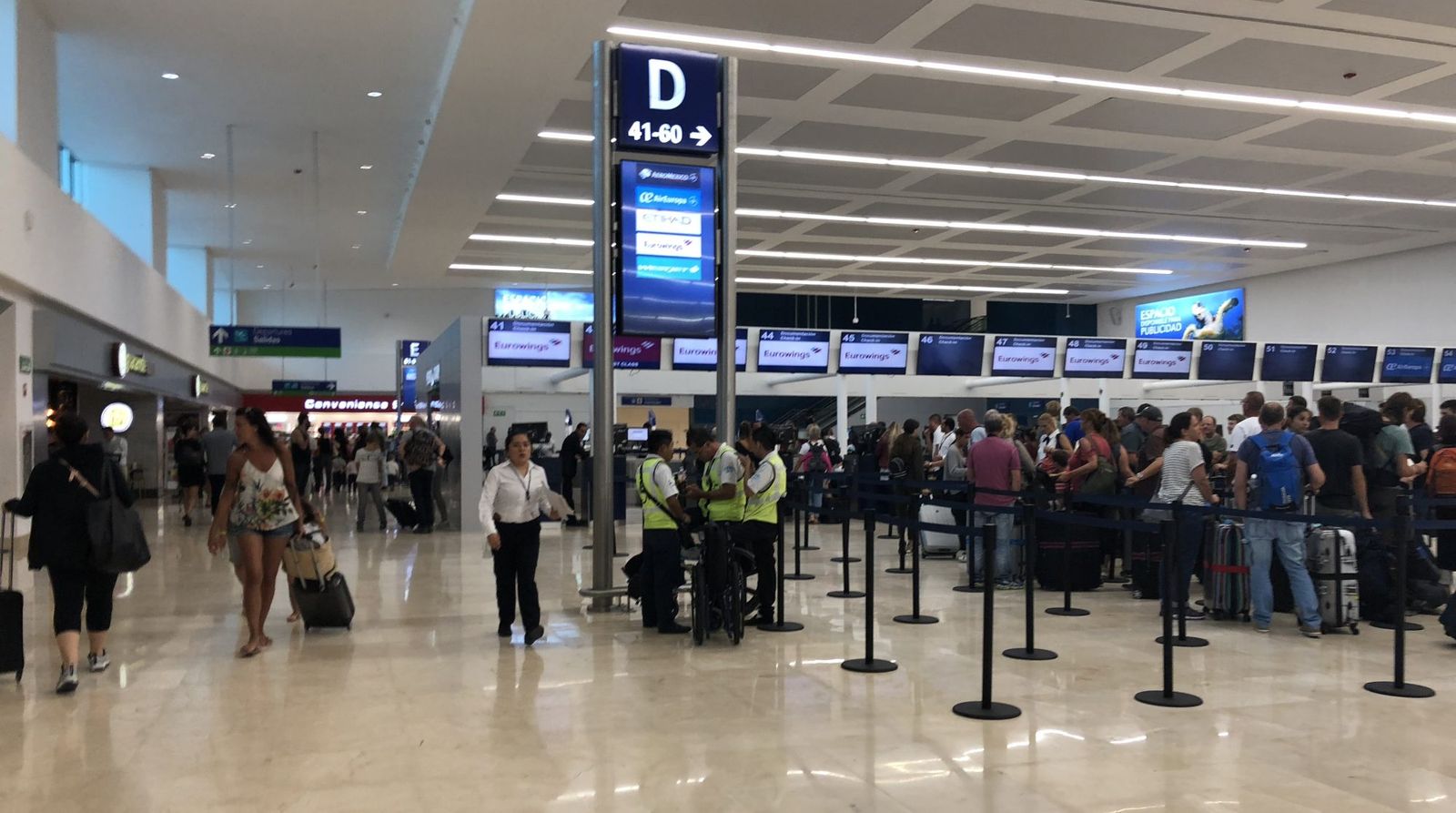
12 travel habits that prevent avoidable problems
Almost nothing that ruins a trip happens at the destination. It happens before departure: a passport rule nobody read, medicine packed without the prescription, a power bank in the hold. None of these twelve are clever. They are the twelve that come up again and again in the messages we get from people already standing in an airport.
Documents and entry rules
1. Check the rules against the passport you will actually use
Visa, transit and validity rules depend on your nationality and your destination — and on every country you change planes in, which is the one people forget. Read the destination government or embassy page, not a forum.
2. Keep two backups of everything
One copy somewhere other than the originals, one with someone at home. The US State Department suggests photographing your documents; just make sure a lost phone does not take the only copy with it.
3. Check the rules for children before you are at the desk
Some countries want custody papers or a notarised letter when a child travels without one or both parents, and the rule for getting in is not always the rule for getting out.
Medicine and insurance
4. Medicine travels in its own box
Enough for the trip plus a delay, in the original packaging, with copies of the prescriptions. Something perfectly legal at home can be controlled where you are going — check with the destination’s embassy before it is in the bag.
5. Build the kit for this trip, not a generic one
The CDC puts it plainly: contents follow the destination, the length, the activities and the traveler’s own health. Prescriptions, basic first aid and copies of medical documents beat a pharmacy aisle of things you will not use.
6. Read the exclusions, not the name
Medical care, evacuation, interruption, pre-existing conditions. A policy called comprehensive still has a list of what it will not pay, and finding it in a clinic abroad is an expensive way to read it.
Bags that get through
7. Power banks and spare batteries stay with you
FAA guidance puts spare lithium batteries and portable chargers in the cabin. If they gate-check your carry-on, take them out before you hand it over — that is the moment it catches people.
8. Pack liquids for the airport that will screen them
US checkpoints run the TSA 3-1-1 rule, with a separate process for medically necessary liquids. Other countries use their own rules, so read the page for the airport you are leaving from.
9. One day of life in the bag under the seat
Documents, medicine, a charging cable, clean underwear and the first night’s address. Not because your case will be lost, but because it costs you nothing if it is not.
The arrival plan
10. Save the full address offline
A hotel name is not an address, and several resorts here share a brand. Street address, reservation number, map pin, saved as a screenshot that opens without data — because it will not open with data, in the line, at the border.
11. Know what happens after you leave the terminal
Whether the bus ends at a station, whether a ferry is still ahead of you, whether the car goes to the door. Look at Cancun Airport, Tulum or Punta Cana and the difference is obvious.
12. Keep one way to pay somewhere else
A second card or some local cash, not in the same wallet. Tell the bank you are traveling if it asks you to, and keep its number outside the banking app you will not be able to open.
When to do them
Passport and visa rules when you book, before anything is non-refundable. Health several weeks ahead if a clinic or a vaccine is involved. Then the airline, airport and destination pages again in the last 48 hours, because baggage procedures and entry rules change after you paid and nobody writes to tell you.
Traveler questions
Should I keep a passport copy on my phone?
Can a power bank go in the hold?
Should medicine stay in hand luggage?
Does my health insurance work abroad?
How far ahead should I check the rules?
Sources
- US Department of Statetravel.state.gov · checked 2026-09-25
- US Centers for Disease Control and Preventionwwwnc.cdc.gov · checked 2026-09-25
- US Federal Aviation Administrationfaa.gov · checked 2026-09-25
- US Transportation Security Administrationtsa.gov · checked 2026-09-25