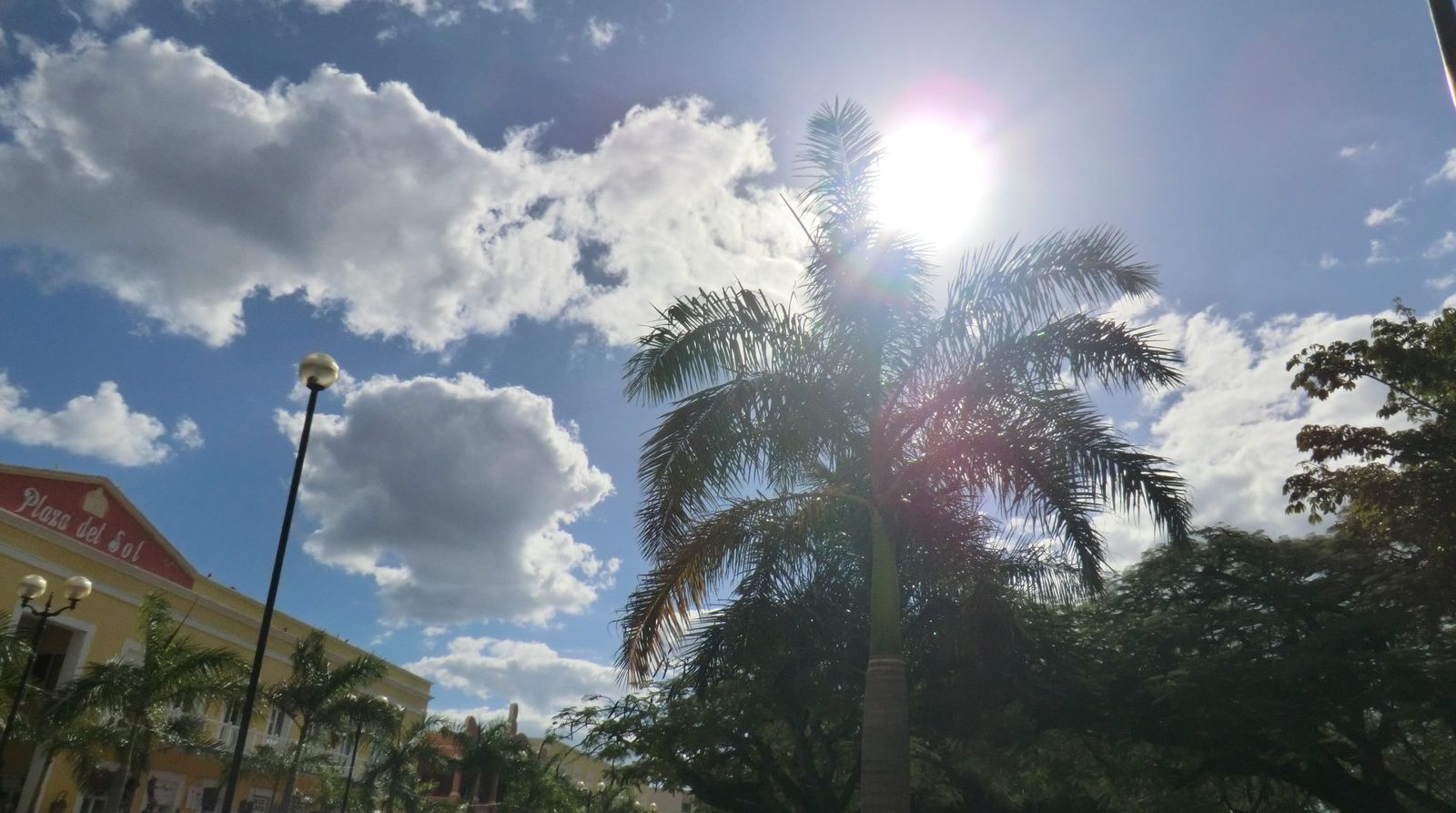
Cozumel is a dive site that happens to have a town on it
People come to Cozumel for what is under the water. The reef along the sheltered western side is part of the second-largest barrier reef system in the world, the visibility is routinely forty meters, and the current does most of the swimming for you. Everything above the surface — one town, one ring road, two very different coasts — is organized around that.
Two ways on, and they are not equivalent
The ferry from Playa del Carmen
Thirty to forty-five minutes, boats through the day, and it lands you in the middle of San Miguel. This is how most people arrive. The crossing can be rough.
Flying
Cozumel has its own airport with direct international flights and connections from Mexico City. It makes sense if the whole trip is the island.
The car ferry
From Calica, south of Playa del Carmen, and a different service entirely. Only worth it if you genuinely need your own vehicle here.
Cruise ships dock at three terminals south of town, and on a three-ship day the center of San Miguel and the nearest beach clubs are a different experience. Look up the cruise calendar before you plan a beach day.
The island has a sheltered side and a wild side
This is the one thing to understand. The western side faces the mainland: calm, clear, reef, every hotel, the town, and all the diving. The eastern side faces open Caribbean: dramatic, empty, beautiful, with a surf and a rip that drowns people. Most of the east coast is not swimmable and is signed as such.
San Miguel
The only town. The malecón, the square, the ferry pier, the restaurants, and almost everywhere to stay.
The southern hotel strip
Running down the leeward coast towards Punta Sur. Where the dive resorts are, closest to the best reef.
Punta Sur
An ecological park at the southern tip: lagoon, crocodiles, a lighthouse, and the reef at El Cielo just offshore.
The east coast
A single road with a handful of beach bars. Go for the drive and the emptiness, not to swim.
The diving and the snorkelling
Palancar, Columbia, Santa Rosa and Paso del Cedral are drift dives: the boat drops you, the current carries you along the wall, the boat picks you up. It is the easiest good diving in the Caribbean and the reason people come back for twenty years.
You do not have to dive. El Cielo is a shallow sandbar where you can stand in waist-deep water among starfish, and much of the reef is snorkellable from a boat. The whole reef sits inside a national marine park with rules about sunscreen, gloves and touching — they are enforced and they are the reason the reef is still there.
The island above water
San Gervasio
Maya ruins in the middle of the island, a sanctuary of Ixchel. Small, quiet, and worth the hour.
The malecón at dusk
When the ships have gone and the town is its own again.
The ring road
A scooter or a car does the whole island in a morning. There is one road and it is hard to get lost.
Chankanaab
A park near town with shore snorkelling — the easy option if you are not taking a boat.
Practicalities
Taxis on the island are metered by zone and plentiful; there is no public bus system for visitors. A scooter or a rental car makes sense for a day of exploring but is not needed daily. Everything except the far south is within a short taxi of San Miguel.
If you are diving, leave at least eighteen hours between your last dive and a flight, and remember that the ferry back plus the road to Cancun Airport is its own half day.
Keep planning
Cozumel · Cozumel Airport · Cozumel Ferry
Traveler questions
Is Cozumel worth it if I do not dive?
Can I do Cozumel as a day trip?
Which side of the island can I swim on?
Do the cruise ships ruin it?
How long between diving and flying?
Sources
- Quintana Roo Tourism Board, Cozumelcaribemexicano.travel · checked 2026-09-25


