Ten archaeological sites in Mexico, chosen for ten different trips
Mexico’s great archaeological sites are spread across deserts, high plateaus, rainforest, the Gulf coast and the Caribbean. That is the first thing to accept: these ten do not fit into one vacation, and any list that presents them as a checklist is describing several separate trips. Here is what each one actually asks of you.
How this list was put together
Nine of the ten are on Mexico’s UNESCO World Heritage list. Tulum is here because it explains the late Maya Caribbean and because it fits a trip already based on the Riviera Maya — which is where most people reading this will be. It is a planning list, not a ranking, and comparing Paquimé with Palenque on quality is not a useful exercise.
Opening areas, walking routes, fees and access rules change, and they change more often than travel articles get updated. Confirm with INAH for your date, particularly where conservation work, weather or wildlife can close part of a site.
The ten, and the trip each one needs
1. Teotihuacan, State of Mexico
For urban scale and a monumental avenue, an hour from Mexico City. An exposed plateau: sun, wind and a lot of walking. Check which structures are open rather than trusting older photographs of people on the steps.
2. Monte Albán, Oaxaca
A Zapotec city on a levelled hilltop above the Oaxaca valleys. It pairs naturally with Oaxaca city, and the Great Plaza offers no shelter at midday.
3. Palenque, Chiapas
Temples and palaces against humid forest, with howler monkeys. Rain, heat and steps shape the day, and the national park setting makes it a different kind of trip from a dry highland site.
4. Chichén Itzá, Yucatán
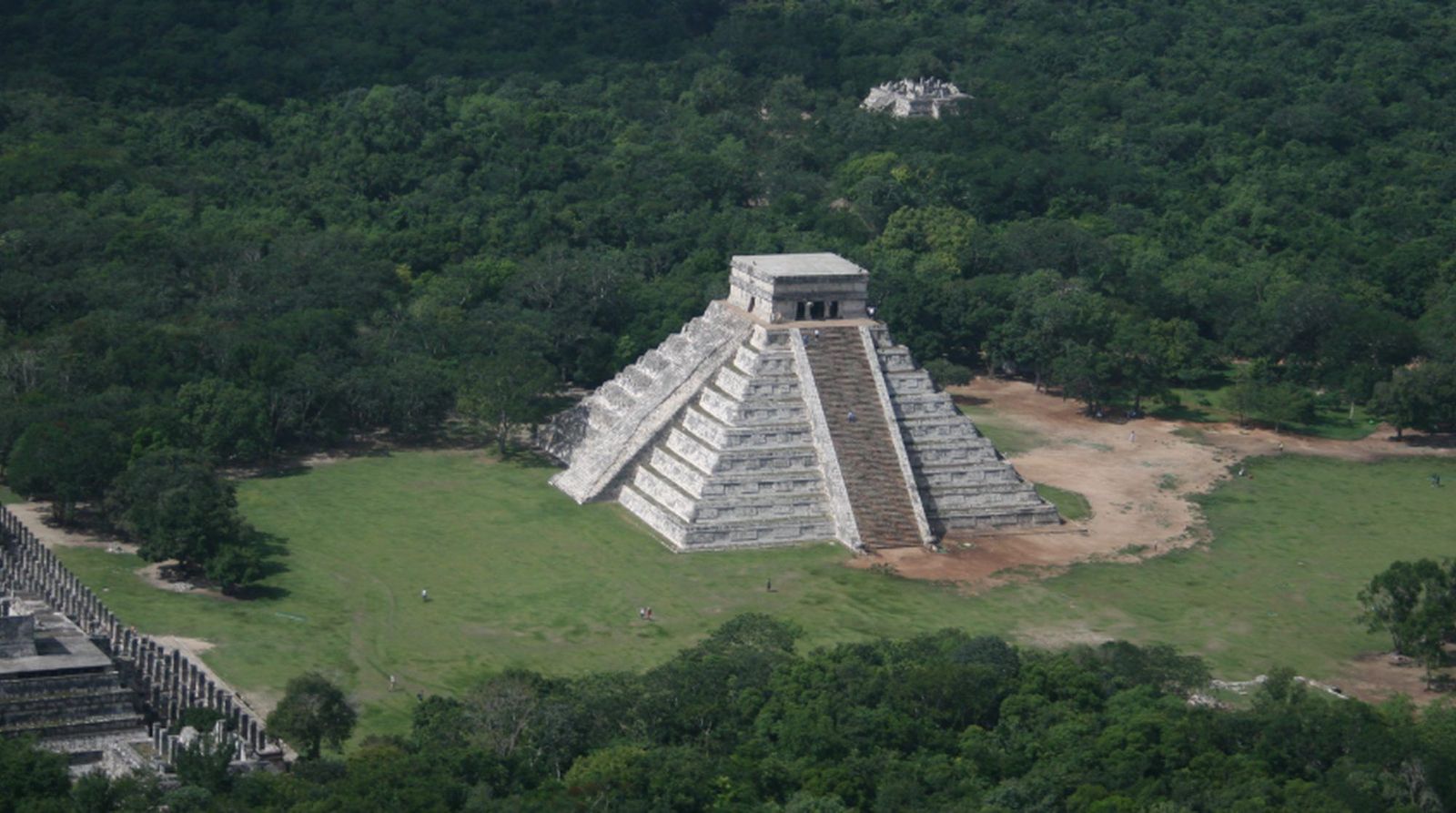
Maya building and later central-Mexican influence in the same city. Give yourself time for the Great Ball Court, the Temple of the Warriors and the observatory instead of treating El Castillo as the whole place.
5. Uxmal, Yucatán
Puuc architecture: cut-stone mosaic, long palace façades and a plan adapted to low hills. A different architectural region from Chichén Itzá, with a fraction of the visitors.
6. El Tajín, Veracruz
The Gulf coast, with carved panels, changes of level and the Pyramid of the Niches. Humidity and rain matter — check conditions before committing to a long drive.
7. Paquimé, Chihuahua
Adobe in the desert, and unlike anything in central or southern Mexico. It belongs to a northern itinerary around Casas Grandes and is not an add-on from anywhere.
8. Xochicalco, Morelos
Fortifications, terraces, plazas and the Temple of the Feathered Serpent, from the reorganisation after Teotihuacan declined. Heat and changes in elevation are part of the walk.
9. Calakmul, Campeche
A Maya city inside protected tropical forest. The road in, the lack of services, the heat and the wildlife make water and transport as important as the buildings.
10. Tulum, Quintana Roo
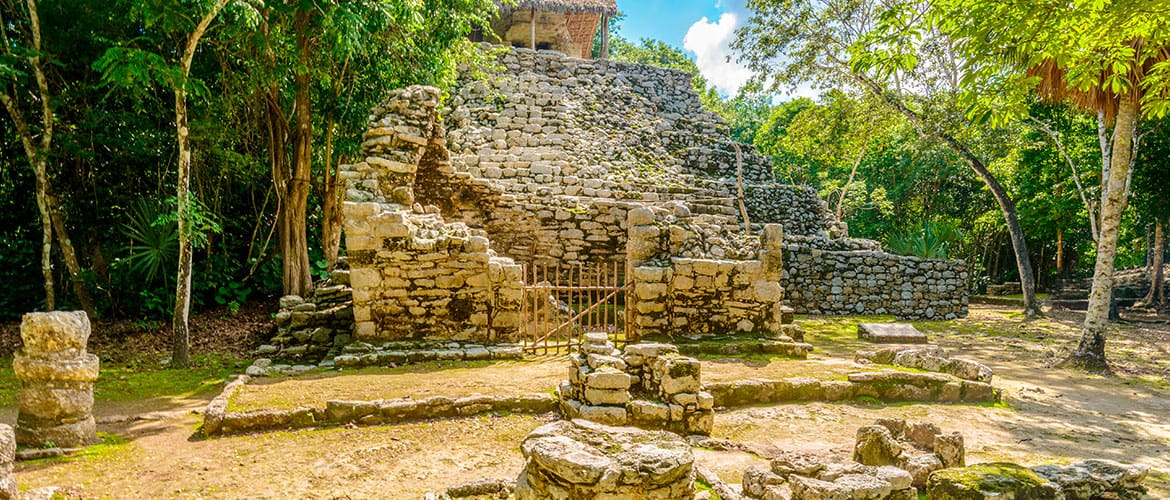
A walled late Maya coastal city with East Coast architecture and surviving murals. The current visit involves separate INAH, protected-area and access arrangements, so check every charge and the last entry time.
Build one regional route, not a national checklist
Mexico City and the central highlands
Teotihuacan first, and Xochicalco on a separate Morelos day. They are not two stops on the same outing.
Oaxaca
Monte Albán deserves a dedicated half day. Keep the city museums flexible around the weather.
The Yucatán Peninsula
Chichén Itzá and Uxmal need different bases or a long road plan. Calakmul is far south and is its own expedition.
Chiapas
Palenque fits a forest-and-waterfalls itinerary, with road times checked against current conditions.
The Riviera Maya
Tulum works from Tulum or Playa del Carmen. It is not a substitute for Chichén Itzá — it is a different period and a different kind of city.
What to check the day before
The official notice
From INAH, not from an undated tour page. Last entry is often much earlier than closing time.
What the ticket is
Several sites now involve more than one authority or a conservation charge. Find out the full set before you travel.
What is open inside
A pyramid you have seen people climbing may no longer be open. Follow the current route and the barriers.
Water and shade
Long exposed sections are the norm. Carry refillable water where it is permitted, and do not count on vendors inside a protected area.
Getting home
Remote sites need a confirmed return. Do not assume mobile coverage or an app-hailed car.
If you are starting from Cancun
Tulum and Chichén Itzá are the realistic choices, and they point in opposite directions and tell different parts of the same history. Read the Chichen Itza guide, the Tulum guide and the Cancun Airport guide before putting either on an arrival or a departure day — which is the mistake that turns a good day into a missed flight.
Traveler questions
Are these the ten best archaeological sites in Mexico?
Can visitors climb the pyramids?
Are all ten UNESCO World Heritage properties?
Can I do Chichén Itzá and Tulum in one day?
Should I buy tickets from a guide?
Sources
- UNESCO World Heritage Center, Mexico propertieswhc.unesco.org · checked 2026-09-25
- UNESCO World Heritage Center, Chichen Itzawhc.unesco.org · checked 2026-09-25
- UNESCO World Heritage Center, El Tajinwhc.unesco.org · checked 2026-09-25
- National Institute of Anthropology and Historylugares.inah.gob.mx · checked 2026-09-25
- National Institute of Anthropology and History, Tulumlugares.inah.gob.mx · checked 2026-09-25