Visiting Mexico’s protected areas without getting it wrong
Two different federal bodies protect the places most visitors want to see, and they are not interchangeable. INAH looks after archaeology; CONANP looks after natural protected areas. Chichén Itzá is one thing, a reef park is another, and Tulum is awkwardly both. Knowing which you are standing in tells you which rules apply.
Who protects what
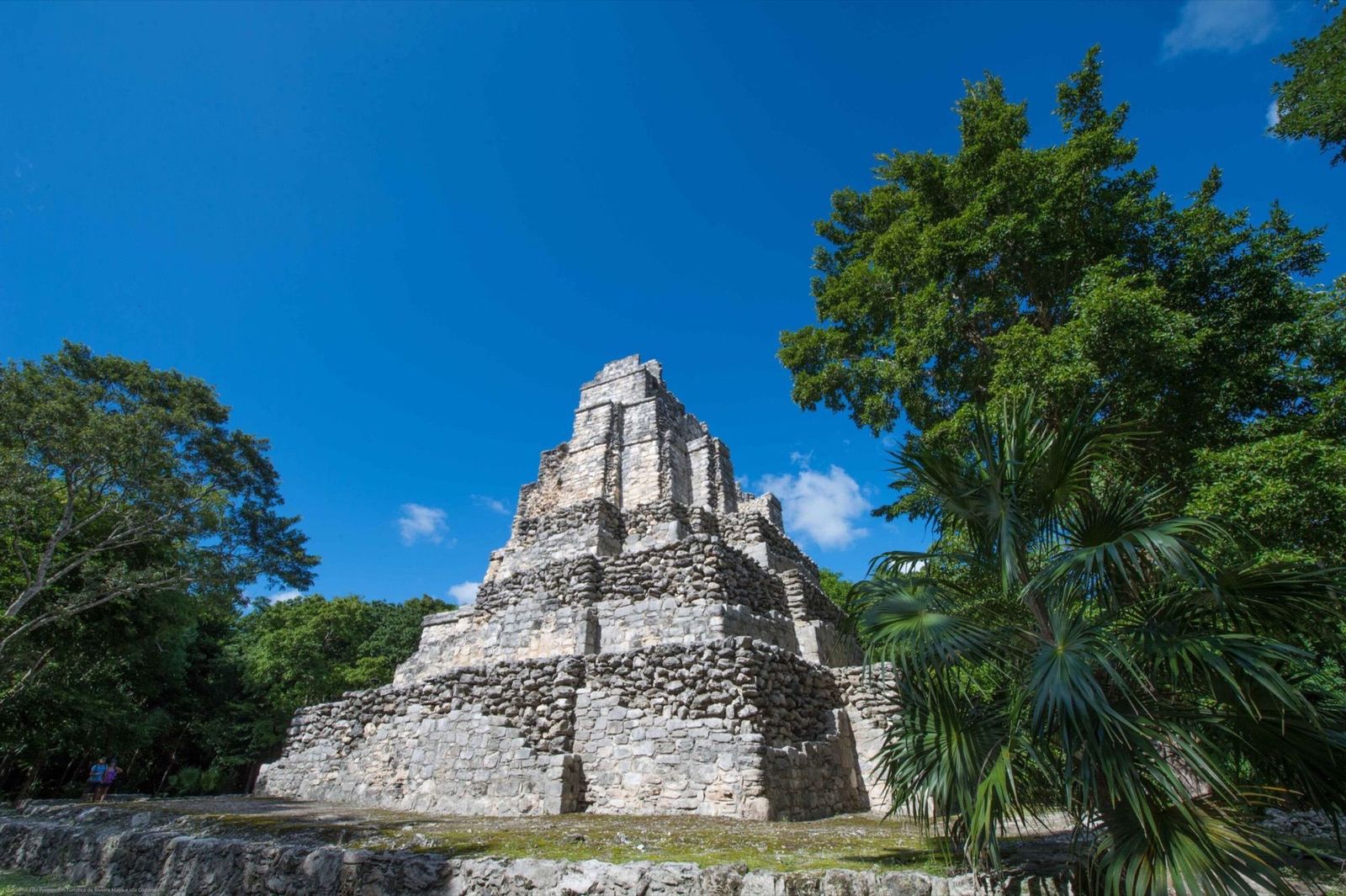
INAH — the Instituto Nacional de Antropología e Historia — administers archaeological zones and the objects in them. Its rules are about the structures: where you may walk, what you may climb (almost nothing, these days), what you may carry in, and increasingly how you may photograph. The thing being protected is masonry that does not repair itself.
CONANP administers natural protected areas — reserves, national parks, marine parks — and its rules are about living systems. Distance from wildlife, seasons, authorised operators, capacity limits, where boats may anchor, what sunscreen may enter the water. The thing being protected can move, breed and die.
Where they overlap, both sets apply. Tulum’s ruins sit beside a coastal area with its own protections; the reef parks off Cozumel and Puerto Morelos have marine rules on top of everything a normal beach has.
The rules visitors break most often
Sunscreen in the water
Reef parks and many cenotes require you to rinse and to use nothing but approved products. This is enforced at the entrance and the staff are not negotiating. Bring a rash vest instead; it works better anyway.
Touching things underwater
Coral, sculptures, turtles. A touch that seems gentle is not, and it is the single most common reason a snorkelling group gets cut short.
Drones
Many protected areas prohibit them outright, and INAH sites require a permit obtained in advance. Turning up with one and asking is not a plan.
Feeding animals
Including coatis at archaeological sites, which are habituated, persistent and bite. Feeding them is prohibited and it is how they end up being removed.
Taking something home
Shells, coral fragments, rocks, a piece of pottery on the path. All prohibited, some of it seriously so, and customs is a bad place to discover that.
Leaving the path
Trails exist for the ground under them as much as for you. Shortcuts between structures are how erosion starts.
What to check before going
Find the official name of the place and the body responsible for it — the tour product’s name is often not the site’s name, and that matters when you go looking for rules. Then check the current notice: fires, storms, sea state, a closed trail, a capacity cap, a section shut for conservation. A visitor center being open does not mean everything behind it is.
Where an authorised guide or a community operator is required, that requirement is not advisory. In several reserves the visit is only legal through a local cooperative, and an operator offering to skip that is offering you their fine as well as their trip.
Last thing, and the one people forget: know how you get out. The last boat, the gate closing time, the point where the phone stops working, and who to call. In a protected area there is frequently no coverage and no infrastructure by design.
Behaving well is mostly obvious, except for one part
Stay on the trail, take your trash with you including the organic parts, leave what you find, keep your distance. All of that is intuitive. The part that is not intuitive is photographing people: guides, artisans, residents, and above all ceremonies. Ask first, accept a no, and do not photograph a ritual because it is happening in a public place. It is not a performance.
Use the Cozumel guide, the Tulum guide and the Chichén Itzá guide for the geography, then find the specific authority for the specific site you are visiting.
Traveler questions
Is every archaeological site also a protected natural area?
Can I use my own sunscreen?
Can I fly a drone?
Can I take a shell home?
Do I have to hire a guide?
Sources
- CONANP, visitar un área natural protegidagob.mx · checked 2026-09-25
- CONANP, recomendaciones de turismo responsablegob.mx · checked 2026-09-25
- Instituto Nacional de Antropología e Historiainah.gob.mx · checked 2026-09-25